UNTAMED WORLD
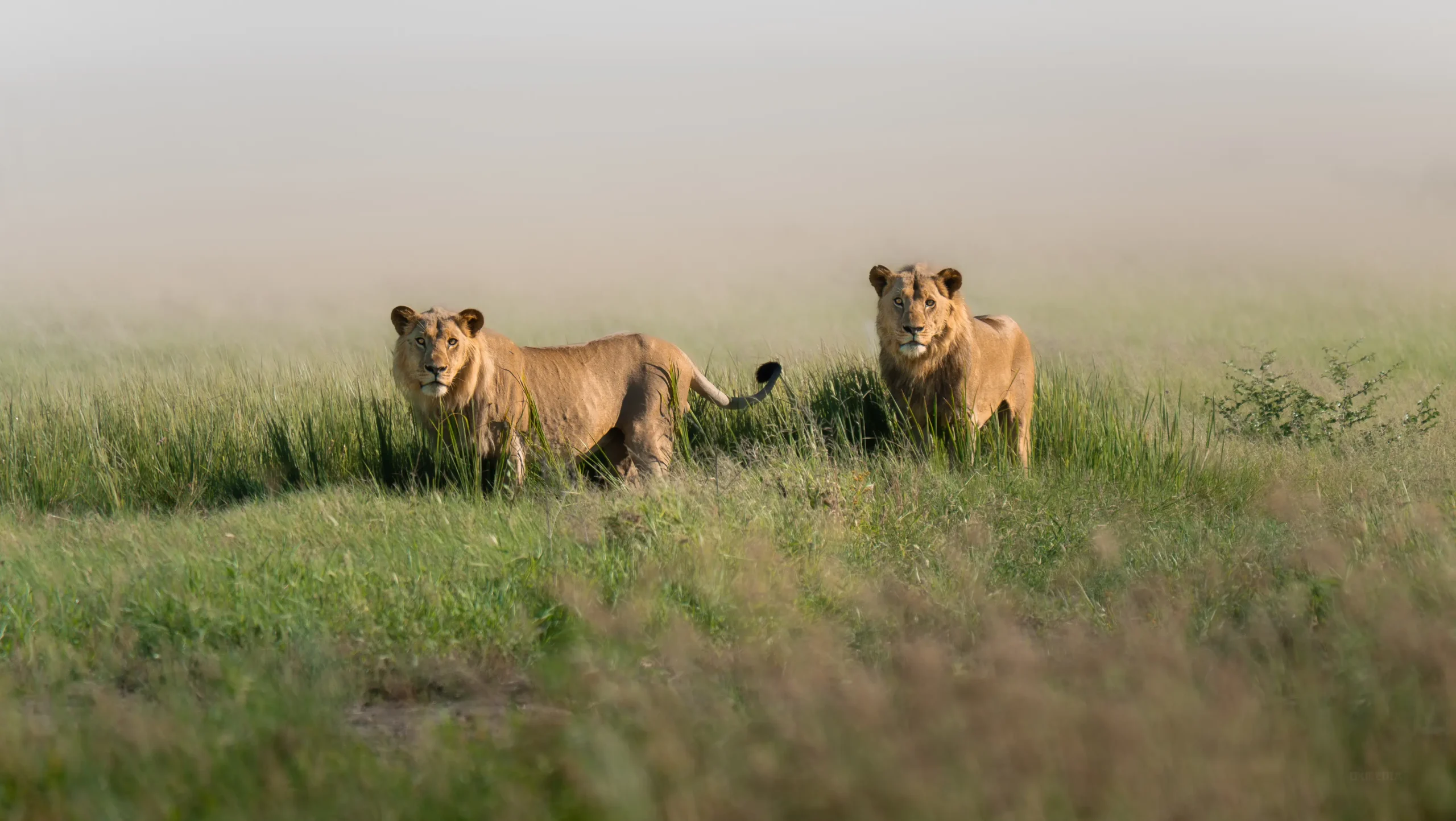
Set within the Kalahari Basin in north-east Namibia, close to the Botswana border, Khaudum National Park is a landscape of ancient woodland, fossil riverbeds and seasonal waterholes. Vast, semi-arid and remarkably untouched, it offers one of Africa’s most authentic safari experiences.
SPACE TO SLOW DOWN
Northern Namibia rewards those willing to venture beyond the country’s more familiar safari routes. Reaching Khaudum takes time, specialist guides and capable 4WD vehicles, but that’s precisely what keeps it so extraordinary.
Here, there are no convoys of safari vehicles or crowded wildlife sightings. Instead, you’ll discover immense skies, ancient landscapes and a profound sense of solitude, where the rhythms of nature set the pace and every encounter feels entirely your own.
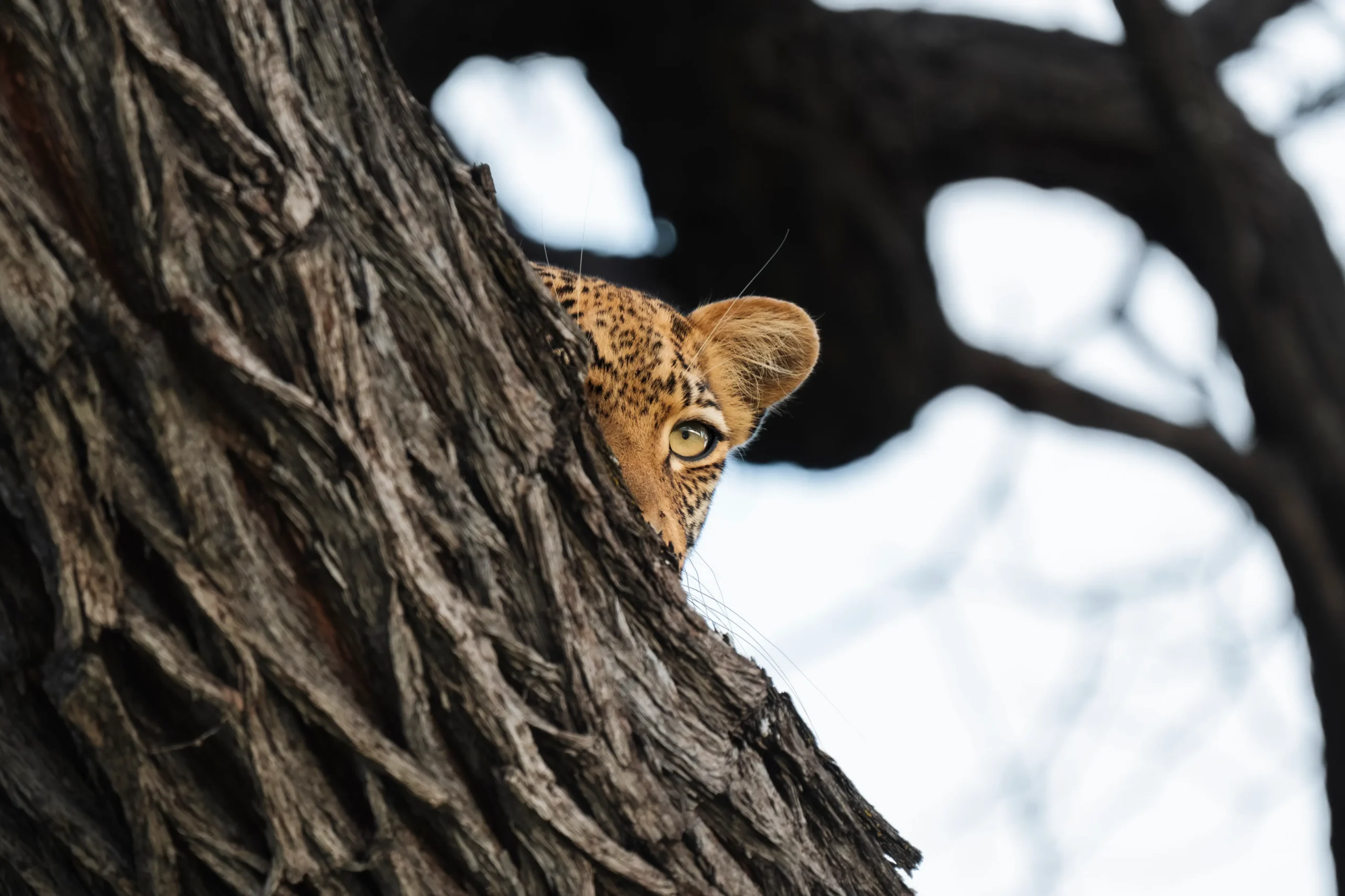
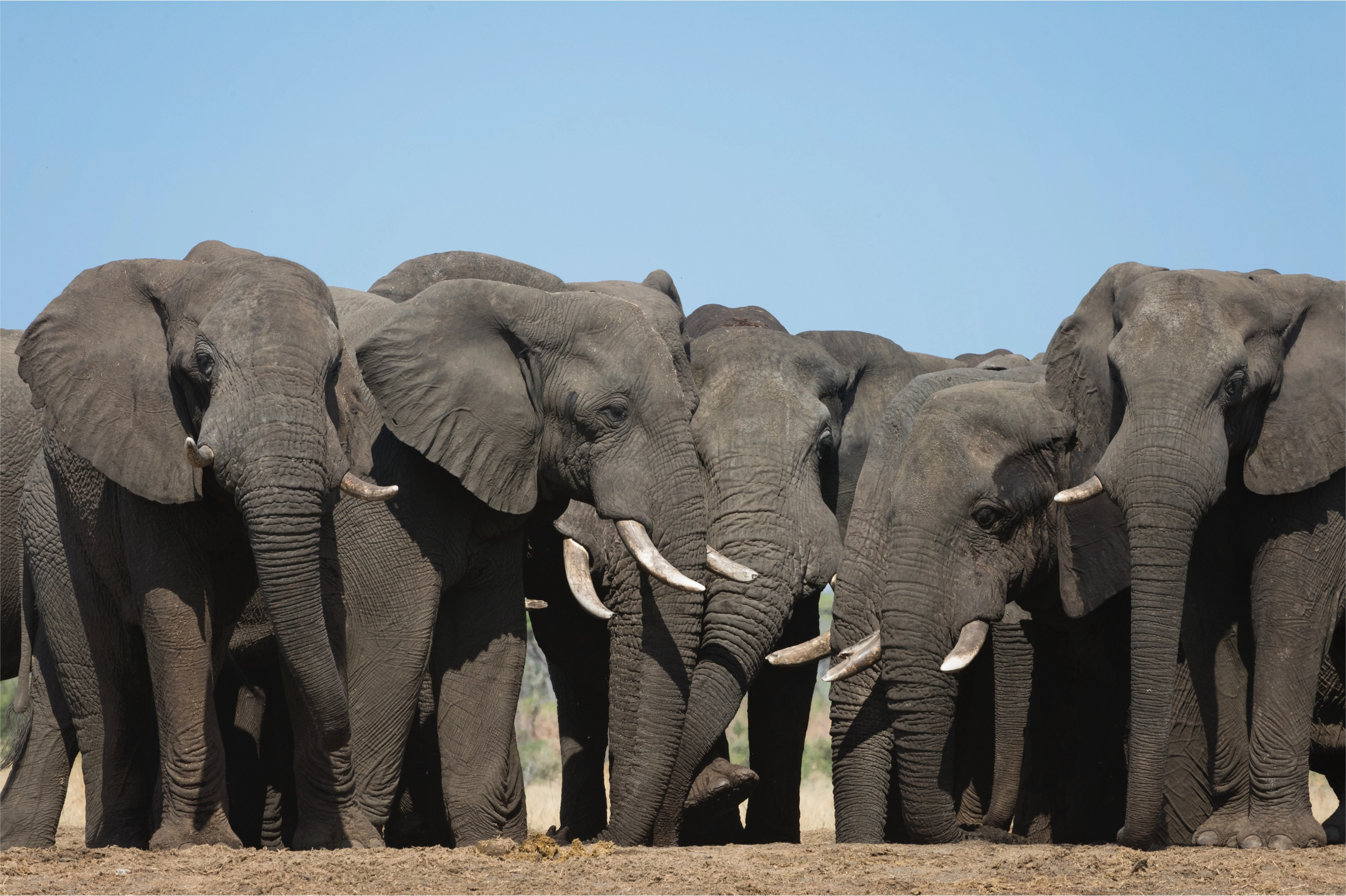
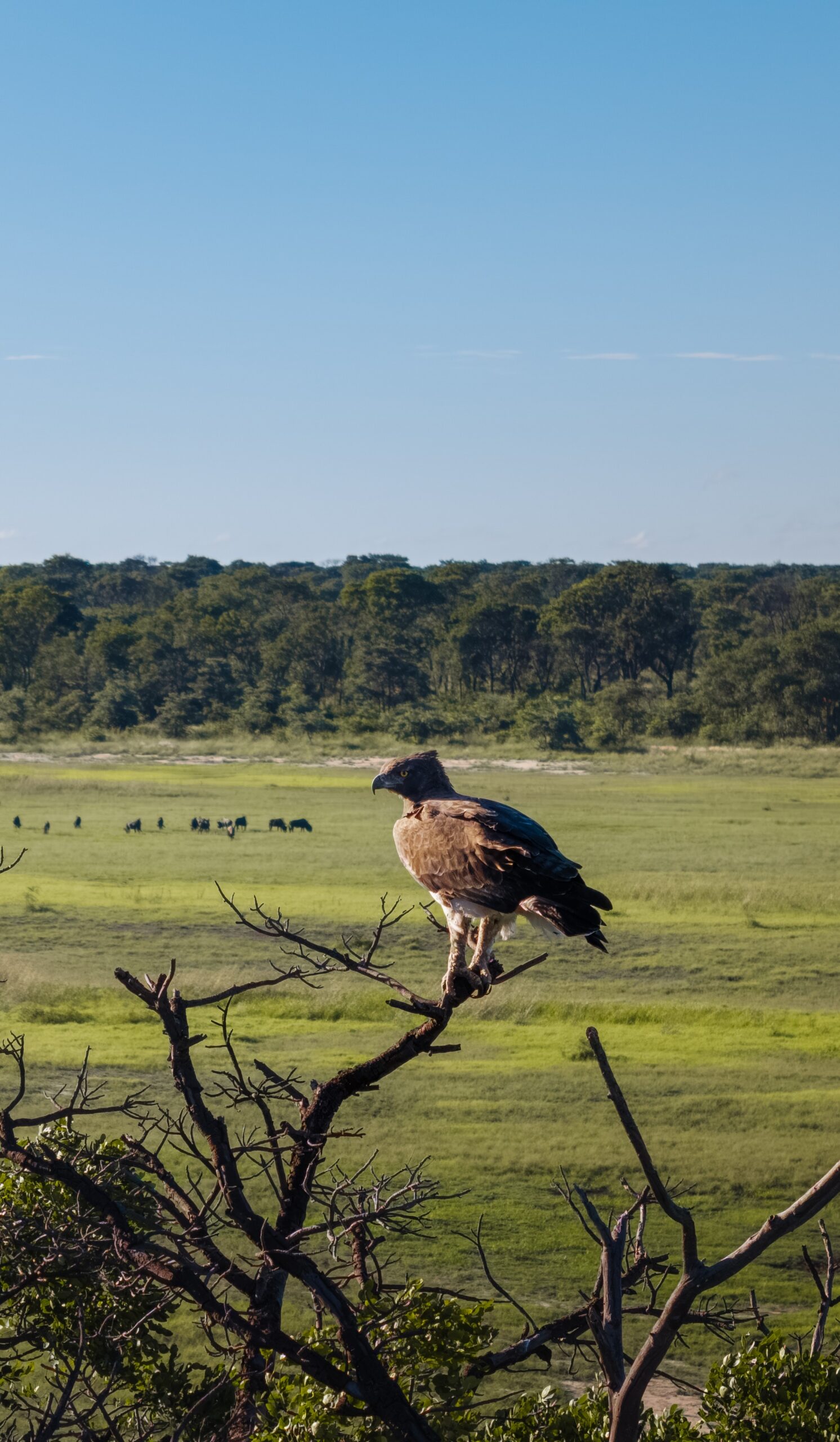
Known for its large migratory elephant herds, endangered African wild dogs and one of Namibia’s healthiest populations of roan antelope, the park is a rewarding safari destination. Lion, leopard, cheetah and spotted hyena also roam the landscape, while more than 320 bird species make it a coveted spot for birdwatchers.
Community and Conservation
The wider region surrounding Khaudum has a rich human history. The San, whose presence here dates back thousands of years, are one of the world’s oldest continuous cultures, while the Kavango people also live in the wider region today. Their knowledge of the landscape, wildlife and seasonal rhythms forms an important part of northern Namibia’s heritage.
Today, Khaudum forms part of the Kavango–Zambezi Transfrontier Conservation Area (KAZA), the world’s largest transfrontier conservation landscape, protecting wildlife migration routes across five southern African countries.
WHEN TO VISIT
Khaudum National Park rewards visitors throughout the year, with each season revealing a different side of the landscape.
From May to October, cooler temperatures and scarce water encourage wildlife to gather around permanent waterholes, making sightings more predictable. Following the rains, from November to April, the bush transforms into vibrant shades of green as migratory birds arrive and many animals give birth to their young. Whenever you visit, the changing seasons shape a safari that is never quite the same twice.